
What Is Residential Mold Testing?
Residential mold testing is the process of inspecting a home for mold growth, airborne spores, and moisture issues. Unlike visible mold that’s easy to spot, many mold problems hide behind walls, under flooring, or in attics and HVAC systems.
Professional testing helps homeowners detect these hidden issues early—before they lead to serious health concerns or costly repairs.
Why Mold Testing Is Important for Homeowners
Your home should be a safe and healthy environment. Mold can compromise both your property and your indoor air quality.
Here’s why residential mold testing matters:
- Protects your family’s health by identifying airborne mold spores
- Prevents structural damage caused by long-term moisture issues
- Improves indoor air quality
- Provides peace of mind for homeowners
Common Signs of Mold in a Home
Mold isn’t always visible, but there are warning signs that shouldn’t be ignored:
- Persistent musty odors
- Water stains or discoloration on walls and ceilings
- Past or recent leaks
- Warped walls or flooring
- Increased allergy symptoms indoors
If you notice any of these, it’s a strong indicator that professional testing is needed.
What to Expect During a Residential Mold Inspection
A professional mold inspection is thorough and designed to uncover both visible and hidden problems.
1. Visual Assessment
Inspectors examine key areas such as bathrooms, kitchens, attics, and crawl spaces.
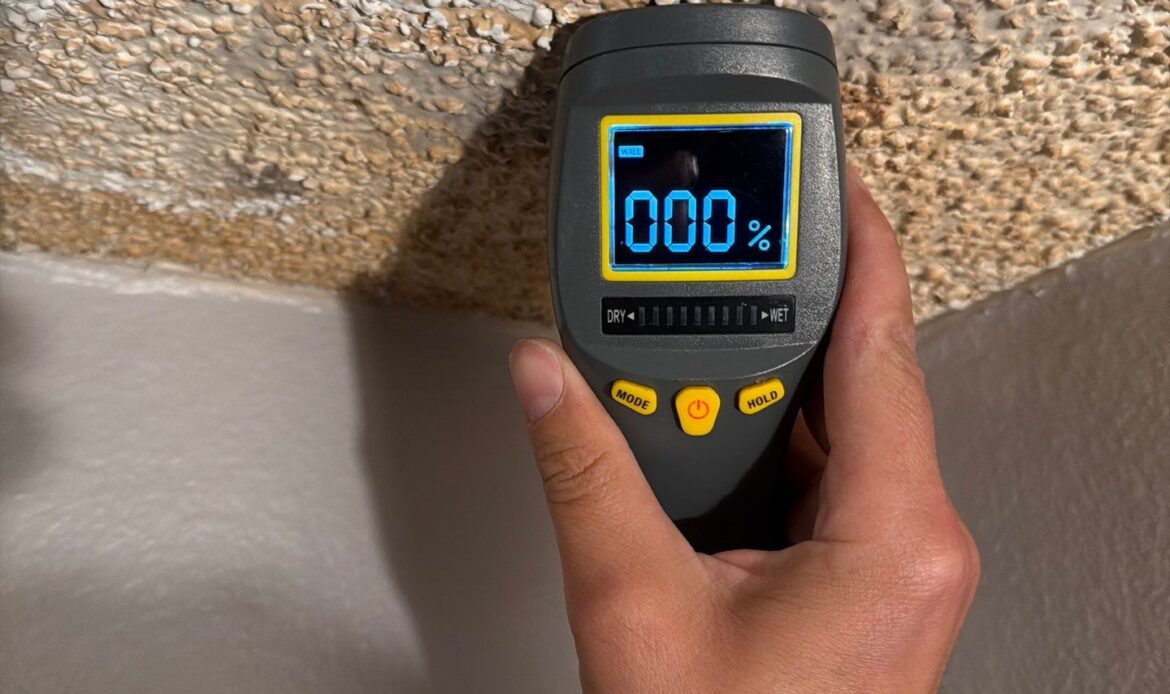
2. Moisture Detection
Specialized tools are used to identify moisture behind walls and under surfaces.
3. Air Sampling
Air samples are collected to measure mold spore levels inside your home.
4. Surface Testing
Samples may be taken from suspected mold growth areas.
5. Lab Results & Report
You’ll receive a detailed report outlining findings and recommended next steps.
Where Mold Commonly Grows in Homes
Mold thrives in damp, poorly ventilated areas. Common locations include:
- Bathrooms and showers
- Kitchens and under sinks
- Attics with poor ventilation
- Basements and crawl spaces
- Around windows and doors
Professional Testing vs. DIY Kits
While store-bought mold test kits may seem convenient, they often lack accuracy and don’t provide clear guidance.
Professional mold testing offers:
- Accurate lab-certified results
- Expert analysis and recommendations
- Identification of mold type and severity
- Reliable documentation if needed
When Should You Get Residential Mold Testing?
You should consider scheduling a mold inspection if:
- You’ve had water damage or leaks
- You’re purchasing or selling a home
- You smell mold but can’t find it
- You want to ensure a healthy indoor environment
Schedule Your Residential Mold Testing Today
Mold problems don’t go away on their own—they grow and spread over time. Early detection through professional residential mold testing can save you time, money, and stress.
If you suspect mold in your home, now is the time to take action and protect your investment and your family’s health.