
residential and COMMERCIAL
Certified VOC Testing
Even a clean, freshly renovated space can hide invisible chemical pollutants. Our certified VOC testing detects harmful gases and vapors that impact your health, comfort, and indoor air quality—so you can breathe easier and live safer.
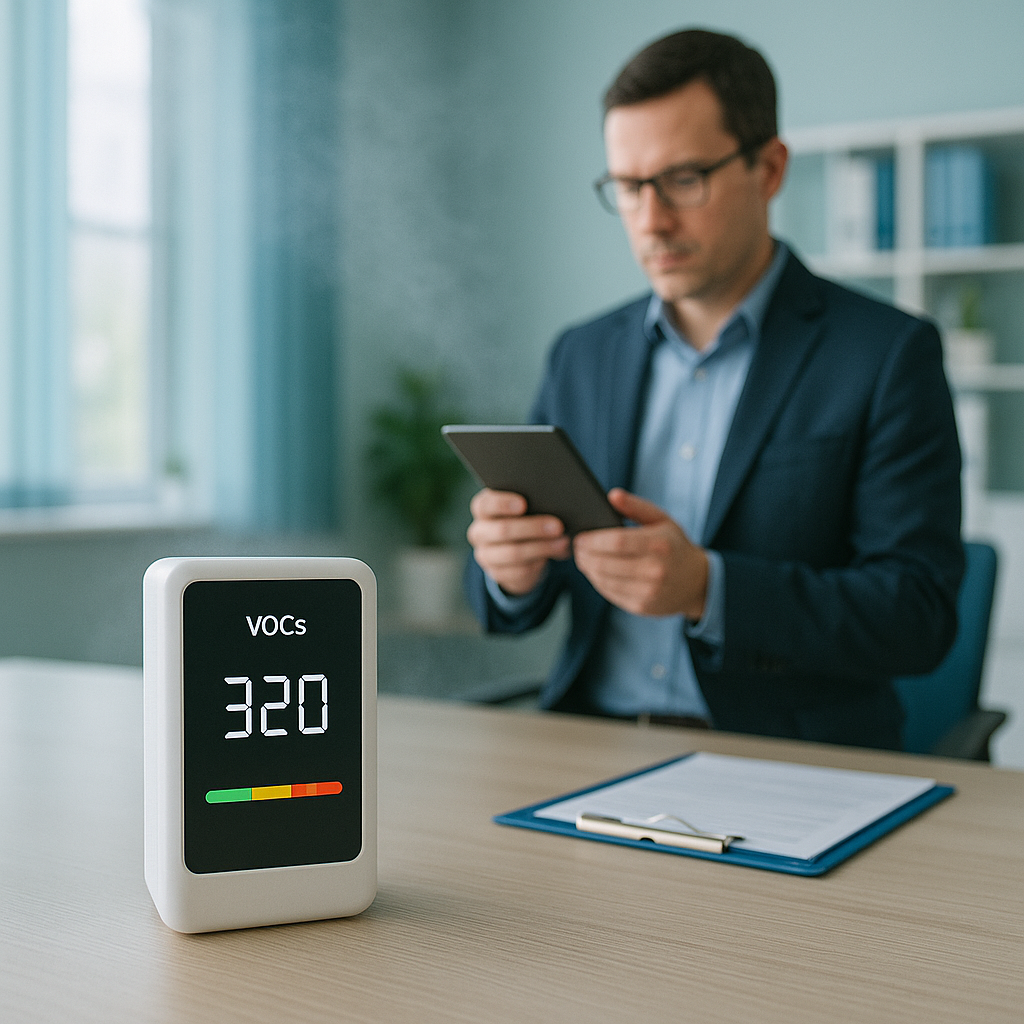
Why Test For VOCs?
Volatile Organic Compounds (VOCs) are toxic gases released from everyday materials—like paints, adhesives, flooring, furniture, cleaning products, and building materials. When trapped indoors, VOCs can lead to headaches, dizziness, fatigue, and long-term respiratory or neurological issues.
You notice chemical odors or poor indoor air quality
You’ve recently renovated, painted, or installed new flooring or furniture
You experience unexplained headaches, allergies, or fatigue
You want to confirm your home or office meets healthy air standards
You want peace of mind before buying, selling, or renting a property
Our Certified VOC Testing Process
Our inspectors evaluate your property for signs of lead paint, dust, or contaminated surfaces. We identify friction points, deteriorating paint, and potential exposure areas.
We safely collect paint chips, dust wipes, and/or water samples from targeted areas using EPA-approved sampling methods.
Samples are analyzed by an accredited laboratory to measure concentrations of common VOCs like benzene, toluene, formaldehyde, and xylene.
You’ll receive a complete report outlining detected VOCs, concentration levels, and personalized steps to eliminate or reduce harmful emissions.
Lead Testing FAQs
How much does VOC testing cost?
Costs vary based on property size and number of samples. Contact us for a customized quote.
How long does it take to get results?
Most reports are available within 3–5 business days after testing.
Are VOCs dangerous?
Yes. Long-term VOC exposure can cause headaches, respiratory irritation, and increase risks of chronic illness. Testing identifies and helps mitigate these hazards.
What if high VOC levels are found?
We’ll recommend targeted steps—such as increasing ventilation, using low-VOC materials, air purification, or temporary relocation until air quality improves.
Breathe Easier. Live Healthier.
Invisible pollutants can silently impact your health and productivity. With certified VOC testing from Bio Safe Air, you’ll know exactly what’s in your air—and how to fix it.