
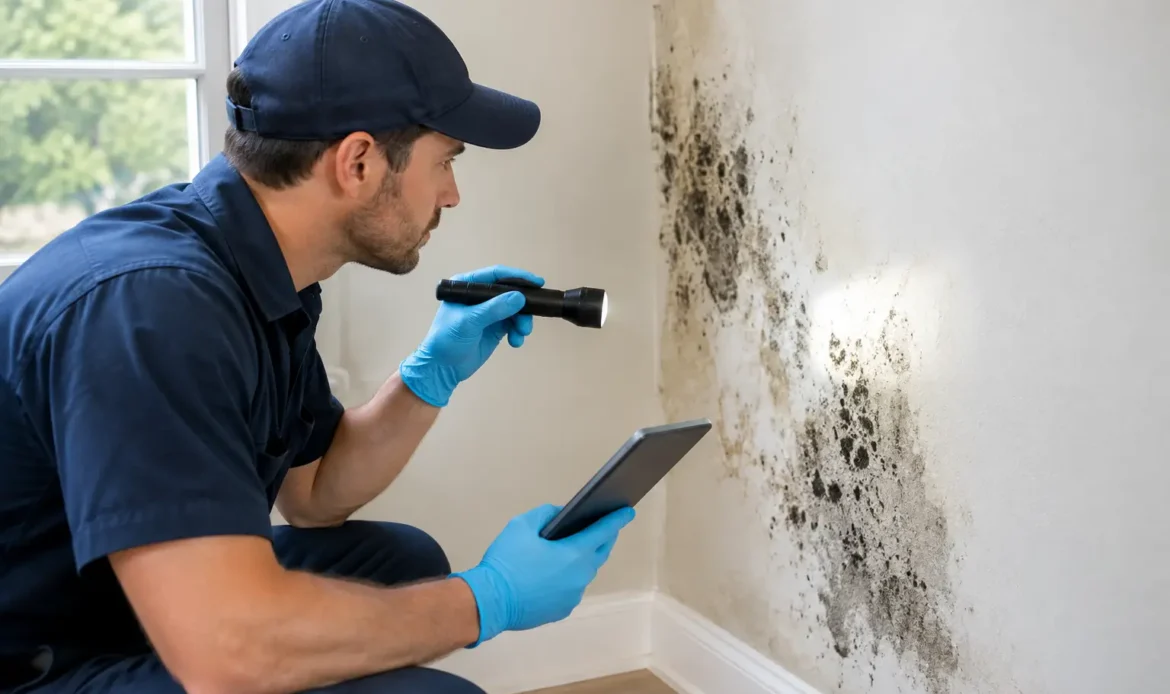
A musty odor behind a closed bathroom door, a stain that returns after rain, or lingering dampness after a plumbing leak can point to a problem that is larger than the visible surface. A professional mold inspection Orange County property owners can rely on is designed to answer the questions a quick visual check cannot: Is moisture still present? Is mold growth hidden inside a wall, under flooring, or in an HVAC area? What should be repaired first?
Mold is common in Southern California properties because small leaks, coastal humidity, condensation, roof issues, and past water damage can create the right conditions for growth. The goal of an inspection is not to create alarm. It is to identify the source, document conditions accurately, and give you a practical path forward before damage or possible exposure concerns increase.
When to Schedule a Mold Inspection in Orange County
Visible discoloration is one reason to call, but it is not the only one. Mold can grow in concealed locations where a property owner may notice only odor, moisture, or recurring damage. Testing is especially useful when the history of a leak is unclear or when a repair was completed without confirming that materials dried properly.
Consider scheduling an inspection when you notice four or more of these warning signs:
- A persistent musty or earthy odor in a room, closet, crawl space, or garage
- Water staining, peeling paint, bubbling drywall, warped baseboards, or soft flooring
- A recent plumbing leak, slab leak, roof leak, appliance overflow, or flood event
- Condensation around windows, supply vents, or bathroom surfaces that does not improve
- Previous mold cleanup without documentation showing the moisture issue was corrected
- Unexplained irritation or respiratory discomfort that seems more noticeable in a particular indoor area
Health symptoms alone cannot diagnose mold exposure, and not every dark spot is mold. Dust, soot, old staining, and other materials can look similar. That is why a trained inspection and, when appropriate, laboratory testing are more useful than assumptions based on color or odor.
Water Damage Changes the Timeline
After a water intrusion, time matters. Porous materials such as drywall, insulation, carpet backing, and wood framing can retain moisture even when the room looks dry. If drying was delayed or incomplete, hidden microbial growth may follow.
A water-damage inspection can help determine whether moisture remains behind finished surfaces. In many cases, non-invasive moisture detection identifies areas that deserve closer evaluation without immediately opening walls or removing materials. This is particularly valuable after leaks under sinks, behind refrigerators, around showers, or beneath second-story bathrooms.
What a Professional Mold Inspection Should Include
A useful inspection is more than collecting an air sample and sending it to a lab. Air results can provide helpful information, but they are only one part of the picture. Mold levels can vary by room, weather conditions, ventilation, and the activity occurring inside the property that day.
A thorough mold inspection begins with the property history. The inspector should ask about leaks, prior repairs, odors, visible staining, remodeling, drainage issues, and rooms where occupants spend the most time. This context helps focus the inspection on likely moisture pathways instead of treating every room the same.
The next step is a visual assessment of accessible areas. This may include bathrooms, kitchens, laundry rooms, attics, garages, closets, HVAC components, windows, and locations near known water events. Moisture meters and thermal imaging may help identify suspicious areas, although a thermal image alone does not confirm mold or moisture. It shows temperature differences that require professional interpretation.
Sampling Has a Purpose, Not a One-Size-Fits-All Rule
Depending on the findings, an inspector may recommend air sampling, surface sampling, or material sampling. Each method answers a different question.
Air samples can compare indoor conditions with an outdoor control sample and may help identify elevated or unusual airborne spore types. Surface samples can help determine whether visible growth or residue contains mold. Material samples are often appropriate when a building material itself needs laboratory identification.
Not every situation requires every sample type. If active visible growth and a clear moisture source are already present, the immediate priority may be correcting the water issue and planning appropriate remediation. If there is an odor but no visible evidence, or if a buyer, landlord, or business owner needs documentation, laboratory testing may be especially helpful.
Why Finding the Moisture Source Matters Most
Cleaning mold without correcting the water source can lead to repeat growth. A stained wall may be treated, repainted, and look fine for a few months, while a slow pipe leak continues inside the cavity. The same problem can happen when shower grout, roof flashing, window seals, or exterior drainage allow moisture to return.
The inspection should connect the finding to the likely cause. That does not mean every source can be confirmed without opening a wall. It means the report should clearly distinguish between what was observed, what testing showed, and what next steps are recommended. Honest documentation helps owners avoid paying for unnecessary work while making sure significant conditions are not ignored.
For example, a small amount of mold growth on bathroom caulking may be a cleaning and ventilation issue. Widespread moisture behind a shower wall, on the other hand, may require a qualified remediation and repair plan. The scope depends on the materials affected, the extent of moisture, whether growth is concealed, and who occupies the property.
Mold Inspections for Buyers, Landlords, and Businesses
For a homebuyer, a mold inspection can provide clarity before the end of a contingency period or before committing to repairs after a general home inspection flags moisture staining. It can also help distinguish a historic stain from an active condition. Sellers may benefit from documentation that explains a past water event and shows what was repaired.
Landlords need timely, factual information when a tenant reports odors, leaks, or indoor-air concerns. A documented inspection supports faster decisions about plumbing repairs, drying, remediation, and communication. It also creates a clearer record of the property condition at the time of the evaluation.
Commercial properties have added considerations. Offices, retail spaces, medical settings, schools, and multi-tenant buildings may have larger HVAC systems, higher occupancy, and more complicated leak pathways. The right scope may include targeted moisture investigation, air or surface testing, and clearance testing after remediation work is completed.
What to Expect From Your Report
A clear report should be understandable even if you have never dealt with mold before. It should identify the inspected areas, observed moisture or water damage, samples collected, laboratory findings when testing was performed, and recommended next steps. Photos and plain-language explanations make it easier to communicate with a plumber, contractor, remediation company, property manager, insurer, or real estate professional.
Fast turnaround matters when a leak is active, a sale is pending, or a family needs answers. Bio Safe Air provides licensed inspection and testing support with certified laboratory results and reports typically delivered within 48 to 72 hours. Free moisture detection with mold-testing service can also help focus attention on the source of the issue, not just the visible evidence.
What to Do Before the Appointment
You do not need to scrub, repaint, or remove suspicious material before an inspection. Doing so can erase evidence and make it harder to understand the extent of the condition. If there is an active leak, take reasonable steps to stop the water and prevent further damage, but avoid disturbing potentially affected materials unless necessary for safety.
Make a short timeline of what happened: when the odor began, where water appeared, what repairs were attempted, and whether the issue returns after rain, showers, or appliance use. If you have photos from the original leak or invoices for prior repairs, keep them available. That history can make the inspection more targeted and useful.
The best time to investigate a moisture concern is before it becomes a larger repair, remediation, or occupancy decision. A careful inspection gives you documented facts, a clearer repair priority, and the confidence to protect both the people in the space and the property itself.

4 replies on “When Mold Inspection Orange County Makes Sense”
[…] Results may support simple housekeeping changes, such as more frequent HEPA vacuuming, hot-water washing of bedding, reducing clutter that holds dust, or improving HVAC filter maintenance. In other cases, the answer may involve addressing humidity, repairing a leak, professionally cleaning affected materials, or evaluating hidden mold growth. […]
[…] roofer, HVAC professional, or building repair contractor. If mold growth is suspected or visible, mold inspection and testing can help determine the scope of the concern and provide documented laboratory results when sampling […]
[…] Mold testing is often a priority when buyers notice staining, musty odors, warped materials, peeling paint, elevated humidity, or evidence of a prior leak. In Southern California, mold is common after plumbing failures, roof leaks, slab leaks, appliance overflows, and poorly ventilated bathrooms. […]
[…] a professional moisture and mold inspection when the odor persists for more than a few days, returns after cleaning, follows a water-damage […]