
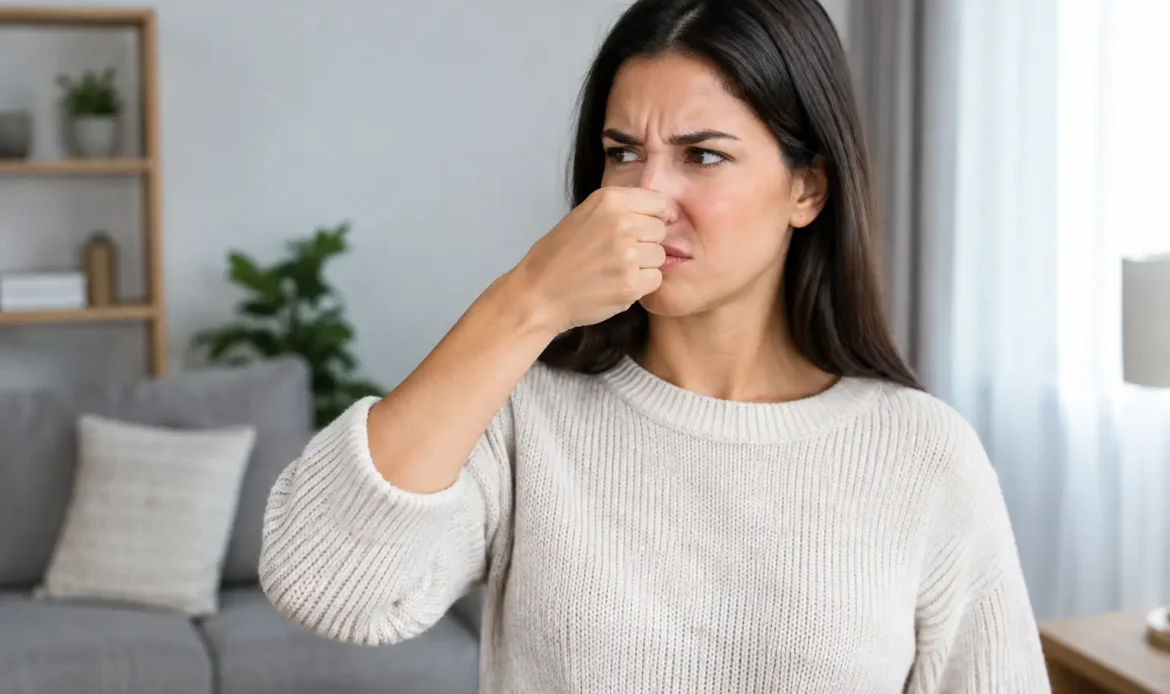
A musty smell with no visible mold is not something to ignore or simply cover with air freshener. That damp, earthy odor often means moisture is present somewhere it should not be – behind a wall, under flooring, inside an HVAC system, or beneath a sink. The source may be minor and easy to correct, but it can also point to concealed mold growth or water damage that gets more expensive with time.
For Southern California property owners, the lack of visible mold can create false reassurance. Leaks inside wall cavities, condensation around air-conditioning equipment, plumbing failures, and past water intrusion can remain hidden long after surfaces look dry. A careful inspection helps separate a temporary odor issue from a moisture condition that needs prompt repair and documented testing.
Why a Musty Smell Can Happen Without Visible Mold
Mold needs moisture, a food source, and time to grow. Homes and commercial buildings provide plenty of materials mold can use, including drywall paper, wood framing, carpet backing, dust, insulation, and stored belongings. If moisture reaches those materials in a concealed area, growth may develop without appearing on painted walls or ceilings.
Odor can travel through gaps around baseboards, outlets, cabinets, vents, and plumbing penetrations. You may smell a problem before you see staining, peeling paint, warped flooring, or visible growth. That early warning can be useful, especially after a slow leak or an event that was dried only at the surface.
A musty odor is not automatic proof of mold. Damp carpet padding, dirty evaporator coils, a neglected condensate drain, humid closets, sewer-gas issues, wet building materials, or even items stored in a garage can create similar smells. The goal is not to guess based on odor alone. It is to identify whether moisture is active, where it is coming from, and whether conditions support hidden microbial growth.
Common Hidden Sources of Musty Odors
The location and timing of the smell can provide helpful clues. An odor that becomes stronger after running the air conditioner may point toward the HVAC system, ductwork, drain pan, or a condensation issue near indoor equipment. A smell that appears after showers, laundry, or rain often suggests moisture around plumbing, bathrooms, windows, roofs, or exterior walls.
In bathrooms and kitchens, look beyond the obvious. A cabinet can appear clean while a slow supply-line leak dampens the wall or subfloor behind it. Toilets with failed wax rings can allow moisture below the flooring. In older properties, deteriorated caulking, loose tile, and aging plumbing connections can all feed hidden damage.
Bedrooms, closets, and rooms along exterior walls deserve attention too. Condensation can form where warm indoor air meets a cooler surface, particularly in poorly ventilated spaces. In coastal or humid microclimates, enclosed closets and storage areas may hold moisture long enough to produce odor even when the rest of the home feels dry.
After a roof leak, slab leak, appliance overflow, or plumbing backup, a musty smell may be the remaining sign of a past water event. Drywall, insulation, carpet padding, and wood framing do not always dry at the same rate. If wet materials were not properly assessed and dried, the affected area may remain concealed behind finished surfaces.
What to Check Before You Assume the Worst
Start with a practical, non-destructive review. Check under sinks, behind toilets, around refrigerators and dishwashers, near water heaters, and at washing-machine connections. Look for corrosion, staining, swollen cabinet panels, loose flooring, soft drywall, condensation, or recurring dampness. Notice whether the odor is limited to one room or appears throughout the building.
Then consider recent history. A past leak, overflowing tub, roof repair, plumbing work, flooding, or HVAC malfunction matters even if it happened months ago. Ask occupants whether the smell appears at a particular time of day or after using air conditioning, showers, or laundry. These details can help an inspector focus the investigation.
Avoid relying on surface cleaning as a diagnosis. Bleach, fragrance sprays, ozone machines, and heavy deodorizing products may temporarily hide an odor without correcting the moisture source. Some products can also irritate sensitive occupants or complicate later odor assessment. If a material is wet, the priority is drying and repair – not masking the smell.
When a Musty Smell With No Visible Mold Needs Inspection
Schedule a professional moisture and mold inspection when the odor persists for more than a few days, returns after cleaning, follows a water-damage event, or is concentrated in a specific area. Inspection is also a smart step before buying or selling a property, beginning a renovation, reopening a vacant unit, or responding to tenant concerns.
More urgency is warranted if anyone in the space is experiencing ongoing nasal irritation, coughing, wheezing, eye irritation, headaches, or symptoms that seem worse indoors. These symptoms can have many possible causes, including allergens, dust, volatile organic compounds, and outdoor air conditions. They should not be used to diagnose mold exposure. But paired with a persistent odor or moisture concern, they are a reason to investigate rather than wait.
A qualified inspector does more than look for discoloration. The process may include a visual evaluation of likely moisture pathways, moisture-meter readings, thermal imaging when appropriate, and targeted sampling. Bio Safe Air provides non-invasive mold inspections and testing, including moisture detection with its mold-testing service, to help locate concerns without unnecessary demolition.
What Testing Can and Cannot Tell You
Mold testing can provide useful documentation, but the right approach depends on the situation. Air samples can help evaluate whether indoor airborne mold levels and types differ from an outdoor comparison or from unaffected areas. Surface or material samples may be useful when suspicious dust, staining, or building material is accessible. Moisture findings and the property’s water history are equally important.
No single sample can inspect an entire building. A clear air sample does not necessarily rule out mold inside a sealed wall cavity, particularly if spores are not being released into the sampled room at that moment. On the other hand, finding mold spores in air does not by itself identify the exact source. Accurate conclusions come from combining inspection observations, moisture detection, laboratory results, and the building’s history.
That distinction matters for landlords, buyers, and business operators who need defensible information. Certified laboratory results and a clear written report can support repair decisions, remediation planning, clearance verification, insurance discussions, and property transactions. Testing should answer a specific question, not create unnecessary alarm.
If Hidden Moisture or Mold Is Found
The first correction is always the water source. Repair the plumbing leak, roof issue, drainage failure, failed seal, or HVAC condensation problem before remediation begins. Otherwise, even a thorough cleanup can be undone by continued moisture.
The next step depends on the extent and location of affected materials. Small, accessible areas may be addressed through controlled cleaning and drying. Wet drywall, insulation, carpet padding, or materials with significant growth may need removal by a qualified remediation professional. Disturbing concealed growth without containment can spread dust and spores into other rooms, so opening walls just to “see what is there” can be a poor first move.
After remediation or drying, clearance testing may provide added confidence that the work was completed properly, particularly after larger water losses, tenant complaints, commercial projects, or remediation in occupied areas. Documentation is especially valuable when a property will be sold, rented, renovated, or returned to normal use.
Preventing the Odor From Returning
A dry building is the best prevention plan. Address leaks quickly, run bathroom exhaust fans during and after showers, maintain HVAC condensate drains, keep indoor humidity under control, and avoid pushing furniture tightly against cool exterior walls where airflow is limited. If you use a dehumidifier, empty and clean it regularly so it does not become another moisture reservoir.
Pay attention after every water event, even one that seems small. The sooner wet materials are evaluated and dried, the less likely they are to develop odor, deterioration, or hidden mold. A persistent musty smell is your property’s signal that something deserves a closer look – acting early can protect both indoor air and the building itself.
