
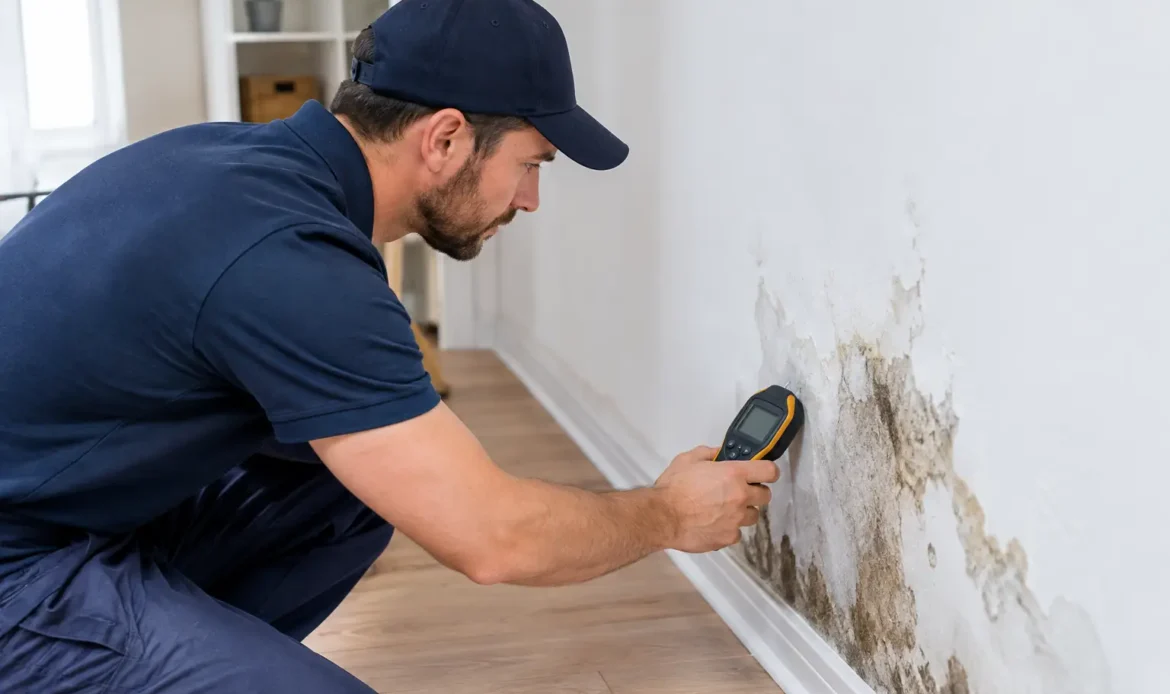
A ceiling stain may look dry, a baseboard may feel solid, and a room may smell only slightly musty. None of those signs rule out an active moisture problem. A professional water damage inspection is designed to locate the source, measure what cannot be seen, and give property owners clear evidence for the next repair decision before mold growth or material damage spreads.
For Southern California homes and businesses, water damage can come from more than a major flood. Slow plumbing leaks, roof failures after rain, overflowing fixtures, slab moisture, window intrusion, HVAC condensation, and appliance supply lines can all wet building materials behind finished surfaces. The sooner the moisture source is identified and corrected, the more options you may have for drying and preserving the property.
When a Water Damage Inspection Makes Sense
You do not need standing water to schedule an inspection. In fact, many of the most costly moisture issues are discovered after water has had time to move into drywall, insulation, flooring, cabinets, or framing.
A prompt inspection is a practical step after a leak, overflow, roof intrusion, or plumbing repair. It is also appropriate when a property has a persistent musty odor, peeling paint, warped flooring, discolored walls or ceilings, recurring mold-like growth, or unexplained indoor discomfort that seems worse in one area of the building.
Buyers and sellers may also benefit from documentation when prior water damage is disclosed or suspected. A visible repair does not always confirm that the original moisture source was corrected or that nearby materials are dry. For landlords and commercial property operators, a documented inspection can support timely repair planning, communication with occupants, and decisions about whether an affected area can remain in use.
What a Water Damage Inspection Looks For
The goal is not simply to identify a stain. A qualified inspector evaluates the conditions around it to determine whether moisture is present now, where it may be coming from, and what materials may be affected.
A thorough visual assessment typically begins with the reported concern and expands to adjacent rooms, exterior building features, plumbing fixtures, HVAC areas, cabinets, flooring transitions, and accessible attic or crawlspace areas. Water often travels away from the original entry point, especially along framing, pipes, subfloors, or wall cavities.
Non-invasive moisture detection tools help compare suspect materials with dry reference areas. Thermal imaging may reveal temperature differences that point to possible moisture patterns, while moisture meters can help confirm elevated readings in drywall, wood, and other accessible materials. These tools are valuable screening methods, but they must be interpreted in context. A cool area on an infrared camera, for example, can result from airflow or insulation differences rather than water alone.
When conditions warrant it, the inspection may include targeted mold testing or material sampling. This is especially useful when there is visible suspect growth, a history of prolonged dampness, a musty odor, or concern about hidden contamination. Laboratory results can provide a clearer basis for remediation decisions, particularly when occupants have health sensitivities or when property documentation is needed.
The Difference Between Water Damage and Mold Damage
Water damage is the event or condition that wets building materials. Mold growth is one possible result when moisture remains available long enough. In favorable conditions, mold can begin growing within 24 to 48 hours, but the timeline depends on the material, temperature, ventilation, and amount of water involved.
Not every wet surface becomes a mold problem, and not every dark mark is mold. That distinction matters. Treating a stain without correcting an ongoing leak can lead to repeat damage. Conversely, assuming every discoloration requires major demolition can lead to unnecessary expense. Inspection findings help separate a small, correctable issue from a condition that needs more extensive drying, repair, or remediation.
Common Hidden Moisture Sources in Southern California Properties
Southern California properties face a mix of aging plumbing, occasional heavy rain, irrigation issues, coastal humidity, and air-conditioning use. Older homes can have deteriorated drain lines, aging supply connections, or poorly maintained exterior seals. Newer properties are not immune, particularly where a slow leak is concealed behind cabinets or inside a wall.
Some of the most common sources include:
- Slow leaks beneath sinks, behind refrigerators, washing machines, dishwashers, and toilets.
- Roof, flashing, skylight, window, or stucco-related intrusion after rain.
- Condensation from HVAC equipment, damaged ducts, or improperly drained condensate lines.
- Overflow events from tubs, showers, toilets, or upper-floor plumbing.
- Irrigation, grading, or exterior drainage problems that direct water toward the building.
The source determines the right repair path. A plumbing leak may require a licensed plumber before drying can begin. A roof or exterior-envelope issue may call for a roofing or building contractor. If affected materials are not dry or microbial growth is present, remediation and post-remediation clearance testing may also be appropriate.
Why Documentation Changes the Repair Decision
A water-damaged wall can look normal after paint is applied. A professional inspection report creates a record of observed conditions, moisture findings, affected locations, and recommended next steps. That information helps owners avoid guesswork when speaking with contractors, insurers, tenants, buyers, or property managers.
Clear documentation is particularly useful when deciding whether a repair can be limited to a small area or whether the condition may extend beyond the visible damage. It can also establish a baseline before renovation. If a wall, ceiling, or floor will be opened during a project, identifying moisture concerns first can prevent crews from disturbing suspect material without an appropriate plan.
There are trade-offs. A non-invasive inspection can identify likely moisture patterns without unnecessary damage to finishes, but it cannot see through every building assembly with complete certainty. Where readings, odors, or visible conditions indicate a concealed issue, limited exploratory work by a qualified contractor may be the next reasonable step. A good report explains that distinction rather than overstating what any one tool can prove.
What to Do Before the Inspection
If water is actively entering the property, safety comes first. Stop the water source if you can do so safely, such as shutting off a fixture valve or the main water supply. Keep people away from wet areas near electrical outlets, appliances, or damaged ceilings. If a ceiling is sagging, do not stand beneath it or attempt to puncture it yourself.
Take photographs of visible changes and make a brief timeline: when the issue was first noticed, what happened before it appeared, whether the area has been repaired, and whether odors or symptoms are recurring. Avoid aggressively scrubbing suspect growth or painting over stains before the appointment. Those actions can remove visible evidence while leaving the moisture source unresolved.
If drying equipment has already been used, that does not make an inspection pointless. The inspector can still evaluate current moisture conditions, identify likely pathways, and assess whether additional testing or repair investigation is warranted.
Choosing the Right Level of Testing
The right scope depends on the event and the property. A recently repaired pinhole leak with no odor, no visible growth, and normal moisture readings may need limited follow-up. A long-term leak under a kitchen cabinet, a repeatedly stained ceiling, or a damp area associated with respiratory discomfort may justify a broader assessment that includes mold testing.
Bio Safe Air provides licensed, IICRC-certified inspection services focused on finding moisture sources and explaining results in plain language. Fast certified laboratory reporting, when sampling is appropriate, gives homeowners, landlords, and commercial operators a practical basis for repair and safety decisions.
A Fast Answer Can Prevent a Larger Problem
Water damage rarely improves by waiting for the next rainstorm, the next utility bill, or the next tenant complaint. If a stain, odor, warped material, or past leak leaves questions unanswered, a documented inspection can replace uncertainty with a clear repair path and help protect the people who use the space.
