
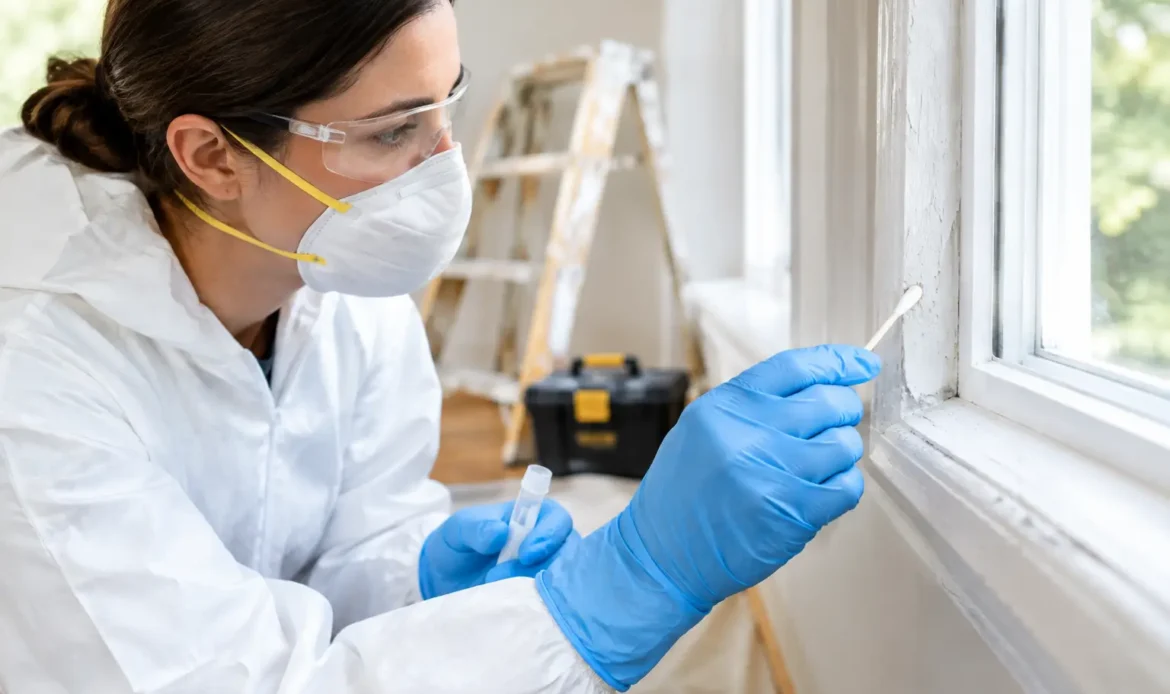
A wall can look freshly painted and still contain lead beneath its surface. That is why lead paint testing matters before sanding, drilling, replacing windows, remodeling a kitchen, or taking possession of an older property. The concern is not limited to peeling paint. Normal renovation work can turn a hidden coating into fine, inhalable dust that settles on floors, furniture, and children’s toys.
For Southern California property owners, a clear test result replaces guesswork with a documented plan. Whether you are buying a home, preparing a rental between tenants, or planning a major renovation, testing helps you understand where the risk is and what should happen next.
Why Older Properties Need Lead Paint Testing
Homes built before 1978 are more likely to contain lead-based paint because federal consumer use of lead paint was banned that year. A property’s age does not prove that every painted surface contains lead, and newer paint over an older layer does not eliminate the possibility. It does mean the building deserves careful consideration before work disturbs painted materials.
Lead exposure can be especially harmful to young children and pregnant individuals. Children may be exposed by touching contaminated dust or soil and then putting their hands in their mouths. Adults can also bring dust home on work clothing after unsafe repair or renovation activity. Because lead exposure may not cause obvious immediate symptoms, waiting for a health concern is not a dependable safety strategy.
The risk increases when paint is deteriorating or when surfaces receive frequent friction or impact. Windows, doors, stairs, railings, baseboards, cabinets, porches, and trim are common examples. A window that rubs against its frame can create lead-containing dust even if the paint does not appear severely damaged.
When to Test Before Work Begins
Lead paint testing is most useful before a project starts, not after demolition dust has already spread. Testing can help homeowners and contractors decide whether standard preparation is appropriate or whether lead-safe work practices and qualified remediation are needed.
A pre-renovation test is a practical choice when a project will disturb painted surfaces in a pre-1978 home or commercial building. This includes scraping, sanding, cutting, demolition, window replacement, plumbing or electrical work inside walls, and exterior repairs. Even a smaller project can create exposure if it affects old trim, doors, or windows.
Testing is also valuable during a real estate transaction. Buyers may want clarity before investing in repairs, while sellers and landlords may need documentation to plan maintenance or disclose known conditions. For rental housing, prompt attention to damaged paint is particularly important where children may live or visit.
If paint is visibly peeling, chipping, chalking, or damaged by water intrusion, do not dry-sand or scrape it while deciding what to do. Limit access to the area, avoid creating dust, and arrange an inspection. Water damage matters because it can weaken coatings and expose previously intact layers.
What a Professional Lead Paint Test Can Tell You
A professional inspection starts with the property’s age, renovation plans, visible conditions, and the areas people use most. The purpose is not simply to obtain a positive or negative answer. A useful report identifies the tested locations and materials so property owners can make specific repair, renovation, or safety decisions.
Testing methods can vary by property and project scope. An inspector may use an X-ray fluorescence instrument, often called XRF, to evaluate painted surfaces without removing material. In other situations, carefully collected paint-chip samples are sent to a certified laboratory for analysis. Dust-wipe sampling may also be appropriate when the concern is potential lead dust on floors, window sills, or other interior surfaces.
Each method answers a somewhat different question. Paint testing helps identify lead-containing coatings. Dust testing helps evaluate whether contaminated dust is present in a living or work area. Clearance testing is commonly performed after lead-related work to determine whether an area meets applicable cleaning standards before it is reoccupied.
A result should be interpreted in context. Lead paint sealed under intact, well-maintained newer paint may be managed differently from damaged lead paint around active windows or an area scheduled for demolition. The right next step depends on condition, location, occupant risk, and the work you plan to perform.
Why DIY Lead Kits Can Leave Questions Unanswered
Store-bought lead swabs can appear convenient, but they are not a substitute for a documented professional assessment when health, renovation, compliance, or a property transaction is involved. Results can be affected by the surface, paint layers, sampling technique, and the limitations of the product itself. A negative swab result does not always rule out lead in deeper layers.
DIY kits also rarely provide the location-by-location documentation needed for a contractor’s work plan, a landlord’s maintenance file, or a buyer’s repair negotiations. They cannot explain whether dust has spread beyond the painted surface or whether post-work cleaning has been effective.
When the project is limited and the building is newer, a professional test may not be necessary. But for older properties, occupied homes, childcare spaces, and renovations that disturb multiple painted surfaces, professional testing provides a stronger basis for action.
What Happens if Lead Is Found
A positive result is not a reason to panic or automatically remove every painted surface. It is a reason to stop relying on assumptions. Many lead-painted surfaces can be safely managed when they are intact, protected, and monitored. The approach changes when paint is failing, friction is creating dust, or renovation will disturb the material.
Depending on the findings, next steps may include repairing the source of moisture, stabilizing deteriorated paint, using lead-safe renovation procedures, enclosing a surface, replacing a component, or arranging professional lead hazard control. The right option should protect occupants without creating more dust during the work.
Federal Renovation, Repair and Painting requirements may apply to work that disturbs painted surfaces in pre-1978 homes, child-occupied facilities, and certain other settings. California and local requirements may also affect how work is planned. Property owners should confirm the requirements that apply to their building, project size, and intended use before work begins.
After remediation or major disturbance, clearance testing can provide valuable confirmation that cleaning was effective. This is especially relevant before children return to a space, after extensive window replacement, or when a property owner needs documented evidence that an area is ready for occupancy.
Choosing the Right Scope for Your Property
The best testing plan is based on your decision, not a one-size-fits-all package. A buyer considering a full renovation may need broad testing of representative painted components throughout the property. A homeowner replacing a few old windows may need focused testing around those windows and nearby interior surfaces. A landlord addressing peeling paint in one unit may need to evaluate the damaged area and determine whether dust testing is appropriate.
Ask what locations will be tested, which method will be used, whether samples go to a certified laboratory, and what the final report will include. The report should be understandable enough to guide your contractor, remediation provider, property manager, or real estate decision. Fast results matter, but clear documentation and appropriate sampling matter more.
Bio Safe Air helps Southern California homeowners, landlords, buyers, and commercial property operators identify potential lead-paint hazards with straightforward testing and clear next-step guidance. When a property has older paint, visible deterioration, or planned renovation work, schedule testing before the first surface is disturbed. A few answers obtained early can prevent avoidable dust exposure, project delays, and costly corrections later.

3 replies on “Lead Paint Testing Before You Renovate or Buy”
[…] Testing is most relevant when suspect materials are damaged, will be disturbed, or are part of a planned renovation, repair, demolition, or transaction concern. An inspection can help determine whether sampling is […]
[…] It can also prevent delays after a project has already started. If a home was built before 1978, lead-paint testing is particularly relevant before disturbing painted surfaces. Asbestos sampling may be appropriate […]
[…] asbestos work, clearance can involve regulated visual inspections and air monitoring requirements. Lead-related work may require dust-wipe clearance testing. The testing method should fit the material, the scope of […]