
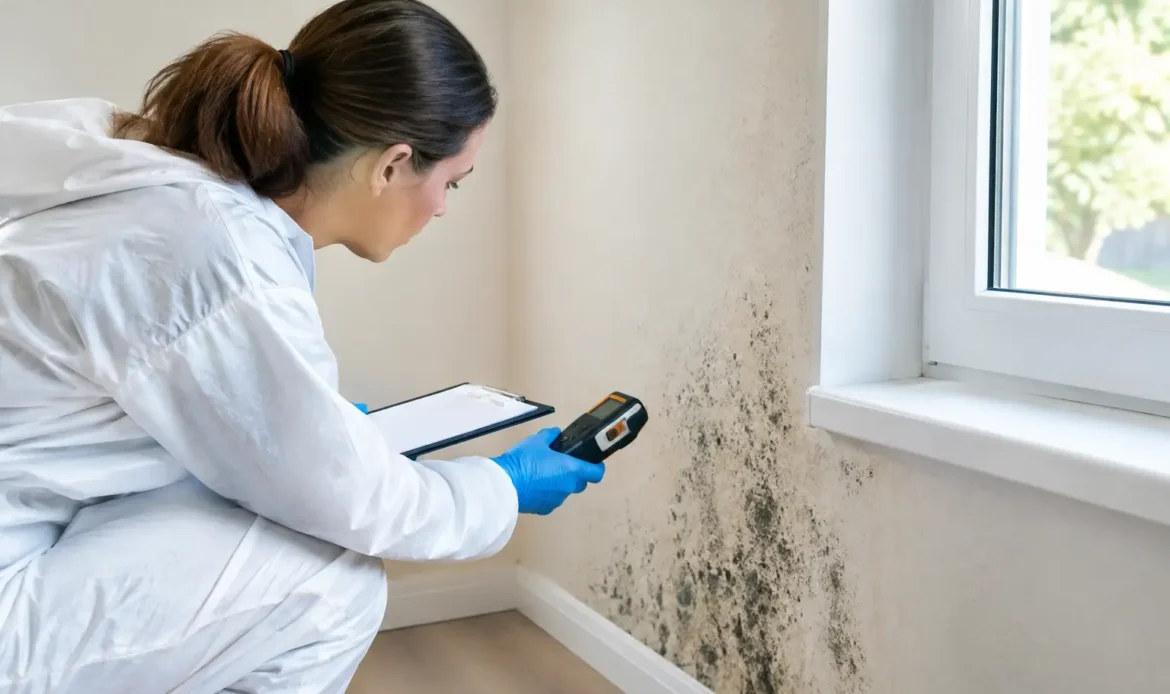
A tenant reports a musty odor after a bathroom leak. A landlord sees staining beneath a window but no visible growth. A buyer reviewing an occupied duplex notices recently painted walls near a water heater. In each case, rental property mold testing can turn an uncertain concern into documented facts – before a small moisture problem becomes a larger health, repair, or tenancy issue.
Mold is rarely just a surface-cleaning question. It is often a moisture question first. A qualified inspection looks beyond what is visible to help identify whether conditions support active mold growth, where water may be entering, and what evidence is needed to make a sound repair decision.
Why Rental Properties Need a Different Approach
Rental homes, apartments, and commercial spaces have more moving parts than an owner-occupied property. Tenants may not know about a slow plumbing leak until odors or staining appear. Owners may receive a complaint after several days of rain, while property managers need clear information they can act on quickly. When multiple parties are involved, assumptions can create delays and disagreements.
Testing is not a substitute for fixing an obvious leak or removing clearly visible damage. It is a tool for answering specific questions: Is there hidden moisture behind a wall? Are indoor air conditions different from outdoor conditions? Has a previous repair addressed the source of the problem? Is a unit ready for reoccupancy after remediation?
The right scope depends on the situation. A small, isolated spot caused by a known and fully repaired spill may not require extensive sampling. Repeated water intrusion, persistent odors, tenant respiratory concerns, widespread staining, or a history of flooding usually warrant a more complete evaluation.
What a Professional Mold Inspection Can Document
A proper rental property mold testing appointment begins with an on-site assessment, not a sample alone. Mold spores exist naturally in outdoor air, and laboratory numbers need context. An inspector should evaluate the building conditions that allow mold to grow and interpret any samples alongside visible evidence, moisture readings, and the property’s history.
Moisture Sources and Hidden Damage
Common moisture sources in Southern California rentals include plumbing leaks, failed shower surrounds, roof leaks, window intrusion, appliance overflows, slab moisture, poorly vented bathrooms, and condensate line problems. Some are easy to identify. Others remain concealed beneath flooring, behind cabinetry, or inside wall cavities.
Non-invasive moisture detection can help locate areas that deserve closer attention without opening walls unnecessarily. This matters for landlords who need to control repair costs while still addressing the actual source. Repainting a stained wall without correcting the water pathway may temporarily improve appearance, but it does not stop recurring damage.
Air and Surface Sampling
Air samples can help compare indoor airborne mold conditions with an outdoor reference sample. Surface or material samples may help identify suspected growth on drywall, insulation, dust, carpeting, or other affected materials. Each method has limits, which is why sampling should be selected based on the inspection findings rather than used as a one-size-fits-all service.
For example, a negative air sample does not automatically prove that a concealed wall cavity is clean. Airborne levels can change with ventilation, weather, HVAC operation, and activity inside the unit. Conversely, a positive surface sample does not reveal the full extent of hidden damage. Clear reporting should explain what the results mean, what they do not establish, and what practical steps should follow.
Useful Documentation for Property Decisions
A certified laboratory report and written inspection findings can provide a reliable record for maintenance planning, insurance conversations, remediation estimates, lease-related communication, and real estate transactions. Documentation is especially useful when a property has had repeated leaks, a disputed source of moisture, or work performed by several contractors.
The goal is not to create alarm. It is to provide enough accurate information for the owner, manager, tenant, or buyer to make a defensible decision based on the property’s actual condition.
When to Schedule Mold Testing in a Rental
Prompt action is often the most cost-effective choice after water damage. Mold can begin growing when materials remain wet, so waiting for a strong odor or visible spread is not always wise. Schedule an inspection when there is a persistent musty smell, visible discoloration, peeling paint, warped flooring, recurring condensation, unexplained water staining, or a history of leaks that was never fully evaluated.
Testing can also be appropriate when tenants report ongoing eye, nose, throat, or respiratory irritation that seems worse indoors. These symptoms can have many causes, including allergens, dust, VOCs, and outdoor air conditions. A mold inspection should not be presented as a medical diagnosis. It can, however, help identify environmental conditions that deserve repair or further attention.
After a remediation project, clearance testing may be valuable before rebuilding or reoccupancy. This is particularly helpful after significant water damage, visible mold removal, or work in areas where occupants may be sensitive to dust and airborne contaminants. Clearance testing should be performed after remediation is complete and the affected area has been cleaned, not while work is still actively producing dust.
Responsibilities: Focus on Conditions, Not Blame
Mold concerns in rentals can become tense when responsibility is unclear. The most productive starting point is to address the property condition quickly. Owners and managers should respond to reported leaks, document communication, arrange qualified repairs, and correct moisture sources rather than only treating visible staining.
Tenants also play an important role by reporting leaks, overflows, unusual odors, condensation, and staining as soon as they notice them. Delayed reporting can allow damage to spread. At the same time, normal occupancy activities such as bathing and cooking create humidity in every home. The question is whether the property has adequate ventilation, functioning exhaust systems, and building components that keep ordinary moisture from becoming a persistent problem.
California rental requirements and local enforcement practices can vary by situation. A qualified environmental inspection provides condition-based evidence, but it does not replace legal advice, building code review, or medical guidance. When documentation is needed, timely, objective findings are far more useful than speculation.
How Landlords Can Prepare for an Inspection
Before the appointment, gather the timeline of the concern: when the leak or odor began, what repairs have been attempted, whether a tenant moved out, and whether the HVAC system or plumbing has been serviced. Photos taken before repairs can be helpful, particularly if staining or visible growth has changed.
Keep access available to affected rooms, utility closets, sinks, HVAC equipment, and any adjacent units that may share plumbing walls. Avoid aggressively cleaning, painting, or applying odor-masking products immediately before the inspection if possible. Those actions can obscure evidence and make it harder to understand the original condition.
If emergency drying is needed after a fresh water event, do not wait for testing before taking reasonable steps to stop water and dry affected materials. Immediate mitigation protects the property. The inspection can then help determine whether drying was sufficient and whether further evaluation or removal is needed.
Choosing a Testing Provider
Look for an inspector who explains the scope before sampling, uses accredited laboratory analysis, and provides a report that translates results into next steps. The lowest-cost test is not always the best value if it provides a number without assessing the moisture source or affected building materials.
For Southern California property owners and managers, Bio Safe Air provides licensed, IICRC-certified inspections, certified lab results, and free moisture detection with mold-testing service. Fast report delivery can help reduce delays when repairs, tenant communication, or property transactions are waiting on answers.
A good report should be clear enough for a property manager to coordinate repairs and detailed enough for a qualified remediation contractor to understand the affected conditions. It should distinguish between recommendations to investigate, repair, clean, remove, or verify clearance after work is completed.
A Faster Response Protects People and Property
The best time to investigate a rental mold concern is when the evidence is still fresh and the moisture source can still be traced. Early inspection may prevent a small plumbing or ventilation issue from reaching drywall, flooring, insulation, or neighboring units. More importantly, it gives everyone involved a clearer path forward: identify the cause, correct it properly, document the work, and restore a healthier indoor environment.
