
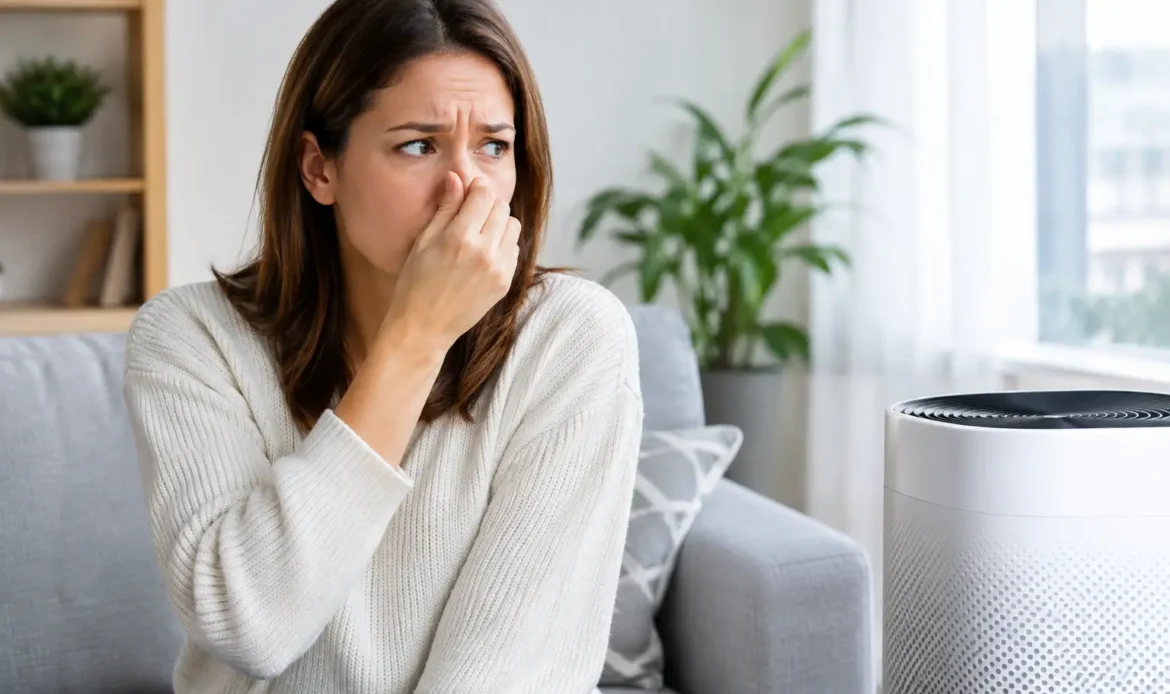
A home can look clean, smell normal, and still have an indoor air quality problem. Moisture behind drywall, airborne mold spores, renovation dust, chemical vapors, and allergens are not always visible. For Southern California homeowners, landlords, buyers, and business owners, the right question is not simply whether the space looks fine. It is whether there is enough reliable information to make a safe decision about occupancy, repairs, or a property transaction.
Indoor air quality is especially worth investigating after a leak, flood, plumbing issue, musty odor, major renovation, or recurring respiratory discomfort that seems to improve away from the property. Testing does not replace common-sense maintenance, but it can replace guesswork with documented findings and a practical next step.
What Affects Indoor Air Quality?
Indoor air is shaped by what enters a building, what is released inside it, and how well the space controls moisture and ventilation. A closed-up home can hold onto particles and gases that would otherwise dissipate. In a commercial space, heavy occupancy, cleaning products, stored materials, and HVAC conditions can add another layer of concern.
Mold is one of the most common concerns after water damage. Mold needs moisture to grow, so the visible growth is often only part of the issue. A slow pipe leak, roof intrusion, poorly sealed window, failed shower pan, or condensation around an HVAC component may allow moisture to remain hidden inside walls, flooring, cabinets, or ceiling cavities. If the source is not corrected, cosmetic cleaning alone may not solve the problem.
Volatile organic compounds, often called VOCs, are another potential indoor contaminant. These gases can be released by paints, coatings, adhesives, new flooring, cabinetry, cleaning products, air fresheners, and some furnishings. A freshly remodeled room may have a temporary odor that improves with ventilation, but persistent chemical smells or symptoms that occur only in a particular area deserve closer attention.
Allergens can also affect comfort and day-to-day use of a property. Dust, pet dander, pollen, and other particles may accumulate in carpeting, upholstery, ducts, and poorly maintained areas. Outdoor air quality matters, too. Southern California wildfire smoke, traffic emissions, and seasonal pollen can enter through open windows, gaps in the building envelope, and ventilation systems.
Signs Your Indoor Air Quality Needs Attention
Not every odor or cough points to a building problem. Seasonal allergies, a household illness, and normal cooking odors can have simple explanations. Still, certain patterns justify an inspection rather than waiting for the problem to become more expensive or widespread:
- A persistent musty, damp, chemical, or sewage-like odor
- Visible staining, bubbling paint, warped flooring, or recurring condensation
- A recent leak, overflow, roof issue, flood, or suspected hidden plumbing failure
- Symptoms that seem worse in one room or improve when people leave the building
- Dust, debris, or suspicious material disturbance before remodeling or demolition
For property buyers and sellers, timing matters. A moisture concern discovered before closing is easier to evaluate and document than one discovered after possession. Landlords and commercial operators also benefit from clear records when addressing tenant concerns, planning repairs, or determining whether an affected area is suitable for use.
Why an Indoor Air Quality Inspection Is Different From a DIY Test
At-home air test kits can seem convenient, but their results are often difficult to interpret without knowing where, when, and how samples were collected. Mold spores and other particles naturally vary from room to room and day to day. A result without a visual assessment, moisture investigation, and property history may create more questions than answers.
A professional inspection begins with the building itself. An inspector looks for water-damage indicators, ventilation concerns, visible growth, material conditions, and likely moisture pathways. Non-invasive moisture detection can help locate suspicious areas without opening walls unnecessarily. When sampling is appropriate, the sampling plan should match the concern – for example, air sampling for airborne conditions, surface or bulk sampling for suspect materials, or targeted testing for allergens and VOCs.
Laboratory analysis provides the documentation needed to understand the findings. Just as important, the report should explain what the results mean in plain language. A high reading is not automatically proof that an entire building needs extensive work, and a low reading does not erase a clearly active leak. Context matters. The condition of the building, the type of material, the moisture source, and the occupants’ use of the space all affect the right response.
Hidden Moisture Is Often the First Problem to Solve
When indoor air quality concerns involve mold, moisture control is the foundation of a lasting solution. Removing damaged material without repairing the leak can allow the problem to return. On the other hand, opening walls or starting demolition before understanding the source and scope can spread dust and contamination or create unnecessary repair costs.
A careful inspection can help answer practical questions: Is the moisture active or old? Is the issue limited to a small area or likely to extend behind finishes? Is there a plumbing, roof, drainage, window, appliance, or HVAC cause? These answers help owners prioritize repairs and give remediation professionals a clearer work plan.
This is also where documentation protects property decisions. A certified laboratory report and inspection findings can support discussions with contractors, insurers, landlords, tenants, buyers, sellers, or property managers. The goal is not to make every finding sound alarming. It is to identify the condition accurately so the response is proportional to the risk.
Renovation Can Change the Risk
Renovation improves a property, but it can disturb materials that should be evaluated before work begins. Older homes and commercial buildings may contain asbestos-containing materials or lead-based paint. These materials are not necessarily hazardous when intact and undisturbed. Cutting, sanding, scraping, drilling, or demolishing them can release harmful dust or fibers.
Testing before renovation gives owners and contractors the information needed to plan work safely. It can also prevent delays after a project has already started. If a home was built before 1978, lead-paint testing is particularly relevant before disturbing painted surfaces. Asbestos sampling may be appropriate before work involving older flooring, textured ceilings, insulation, pipe materials, adhesives, roofing, or wall systems.
Post-remediation or post-repair clearance testing can be equally valuable when significant mold work, water-damage cleanup, or containment is involved. Clearance testing is a verification step. It helps determine whether the affected area meets the defined conditions for return to normal use after the work is complete.
Practical Steps That Can Improve the Air Now
Testing is the right next step when there is a known water event, suspected contamination, unexplained odors, or a decision that requires documentation. While arranging an inspection, basic maintenance can reduce avoidable indoor pollutants.
Use bathroom and kitchen exhaust fans during moisture-producing activities, and allow them to run long enough to clear humidity. Repair visible leaks promptly, dry wet materials quickly, and avoid placing furniture tightly against walls with known condensation issues. Replace HVAC filters on the schedule recommended for the system and conditions in the building. During wildfire smoke events, keep windows closed when outdoor conditions are poor and use filtration appropriate for the HVAC system.
Be cautious about covering odors with fragrances or heavy cleaning chemicals. Air fresheners can mask the warning sign without addressing its source, while some products add VOCs to the space. If a room has a persistent odor, staining, or repeated moisture, investigate the cause instead of treating the symptom.
When to Schedule Professional Testing
Professional testing is most useful when a property needs answers, not assumptions. That may be immediately after water damage, before a renovation, during a home purchase, after remediation, or when a tenant, family member, or employee reports recurring concerns tied to the building.
Bio Safe Air provides licensed, IICRC-certified inspection and testing services designed to identify moisture sources and potential environmental hazards without unnecessary disruption. With clear laboratory reporting and guidance on the next step, property owners can move from uncertainty to an informed repair, remediation, or safety plan.
A healthy property is not defined by a perfect smell or a freshly painted wall. It is defined by problems being found early, evaluated accurately, and addressed before exposure concerns or property damage have more room to grow.

1 reply on “Indoor Air Quality Problems You Should Not Ignore”
[…] can also be appropriate when tenants report ongoing eye, nose, throat, or respiratory irritation that seems worse indoors. These symptoms can have many causes, including allergens, dust, VOCs, and […]