
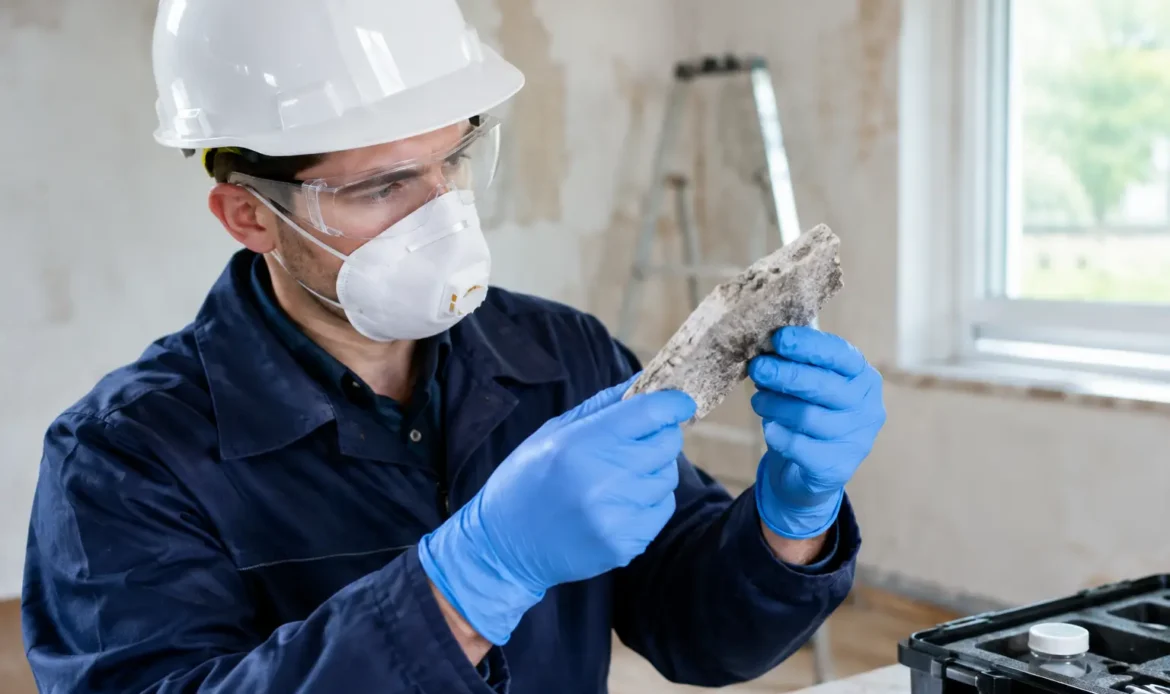
A kitchen remodel can turn a quiet older home into an exposure concern in one afternoon. Removing old flooring, scraping a textured ceiling, opening a wall, or disturbing pipe insulation may release asbestos fibers if asbestos-containing material is present. Asbestos testing provides the answers needed before work begins, so decisions about repair, renovation, occupancy, or a property transaction are based on certified laboratory results rather than guesswork.
For Southern California homeowners, landlords, buyers, and commercial property operators, the issue is not whether a material looks old or damaged. Asbestos cannot be identified reliably by sight, color, texture, or age alone. Professional sampling and laboratory analysis are the dependable way to determine whether a suspect material contains asbestos.
Why asbestos testing matters before materials are disturbed
Asbestos was used in many building products because it resisted heat, fire, and wear. It may be found in homes and commercial buildings constructed before the 1980s, although the age of a property alone does not confirm its presence. Common suspect materials include resilient floor tile and mastic, popcorn ceilings, drywall texture, insulation, roofing products, siding, duct wrap, pipe insulation, cement board, and certain older fireproofing materials.
A material that remains intact and undisturbed may not create an immediate airborne exposure issue. The risk can change quickly when it is drilled, sanded, cut, demolished, scraped, or damaged by a leak. Fine asbestos fibers are too small to see and can remain airborne after disturbance. That is why testing is most valuable before a contractor begins demolition, before a homeowner starts a do-it-yourself project, or after unexpected material damage.
Testing also protects the project itself. If suspect material is discovered after a renovation has started, work may stop while the area is evaluated. This can add avoidable delays, cleanup costs, and uncertainty. Identifying materials beforehand allows owners and contractors to plan the correct scope of work and safety controls.
When should you schedule asbestos testing?
The most common time to arrange asbestos testing is before renovation. Even a small project can disturb materials that are not obvious at first glance. Replacing flooring may involve adhesive beneath the visible surface. Updating lighting can require access above an acoustic ceiling. A plumbing repair may expose pipe wrap or wall materials hidden behind cabinets.
Testing is also sensible during a property purchase or sale when older building materials are visible, damaged, or likely to be affected by planned improvements. Buyers may want documentation before committing to a renovation budget. Sellers and landlords may need clear information to address a known concern, respond to a maintenance issue, or support a transparent transaction.
After water damage, testing can be especially relevant if affected ceiling, wall, or flooring materials need to be removed. Water does not create asbestos, but demolition and drying work can disturb older materials. Before cutting out saturated drywall, removing ceiling texture, or pulling up flooring, confirm what is in the work area.
Commercial property managers should also consider testing before tenant improvements, maintenance work, equipment installation, or demolition. A documented inspection and laboratory report can help coordinate safer work practices and reduce disruptions for occupants.
What happens during professional asbestos testing?
A proper asbestos inspection begins with a visual assessment of the area and a discussion of planned work, known damage, and building history. The inspector identifies suspect materials and determines where samples should be collected. Sampling is targeted, not random. Different layers, colors, product types, and locations may require separate samples because one material cannot reliably represent another.
The inspector then collects small material samples using controlled procedures intended to minimize disturbance. Samples are sealed, labeled, and submitted to a certified laboratory for analysis. The final report identifies the sampled material, its location, and whether asbestos was detected. It should also provide clear next-step guidance based on the findings.
Bio Safe Air offers asbestos sampling with up to nine samples, helping property owners evaluate multiple suspect materials during one appointment. Fast reporting matters when a repair or renovation is waiting, but accuracy matters more. A certified lab result gives you usable documentation for contractors, remediation planning, buyers, sellers, and property records.
What asbestos testing can and cannot tell you
Material testing answers a specific question: does this sampled material contain asbestos? It does not automatically determine whether the material is releasing fibers into the air, whether removal is required, or how extensive a future project will be. Those decisions depend on the material condition, location, planned disturbance, quantity, and applicable requirements.
For example, an intact asbestos-containing floor tile in a low-traffic storage area may be handled differently than deteriorated pipe insulation in an occupied building. In some cases, leaving intact material in place and managing it carefully may be appropriate. In others, professional abatement may be the safer practical option before renovation or repair.
Sampling also has limits. A laboratory can only analyze the materials submitted. If a project expands into a new room, reveals a different layer, or uncovers hidden material, additional testing may be needed. This is why it helps to explain the full planned scope of work during the inspection instead of testing only the most visible surface.
Do not disturb suspect material while waiting for results
If you suspect asbestos, avoid actions that can create dust. Do not sand, scrape, drill, break, sweep, or use a regular household vacuum on the material. Covering the area temporarily and limiting access may be reasonable when material is damaged, but avoid taping, cutting, or handling it in a way that creates further disturbance.
A contractor should not assume a material is safe because it resembles a newer product or because a previous room tested negative. Materials can vary by room, installation date, and layer. When a project involves older suspect materials, laboratory testing before disturbance is the practical path.
If damage has already occurred, pause work and keep people away from the affected area as much as possible. The appropriate next step may involve an assessment of the material, the extent of disturbance, and whether specialized cleanup or air testing is needed. The right response depends on what was disturbed and how widely dust may have traveled.
Asbestos testing for homeowners, landlords, and buyers
Homeowners often schedule testing because they want to update an older property without putting their family or contractors at unnecessary risk. A report can help them decide whether a project can proceed as planned, needs a revised approach, or requires a qualified abatement professional before construction begins.
For landlords, testing provides documentation that supports responsible maintenance decisions. It can be particularly helpful before repairs between tenants, after a leak, or when a resident reports damaged ceiling, flooring, or insulation materials. Addressing concerns promptly protects occupants and helps prevent a small maintenance issue from becoming a larger property-risk issue.
For buyers, asbestos testing can turn an uncertain finding during a walkthrough into an informed negotiation or repair plan. It may reveal that a material is not asbestos-containing, avoiding unnecessary concern. If asbestos is confirmed, the buyer can better understand likely next steps and factor appropriate work into the purchase decision.
Questions to ask before booking asbestos testing
Ask whether the inspection includes a review of the areas involved in your planned work, how many samples are included, and when certified laboratory results will be available. Be ready to share the property’s approximate construction date, the rooms involved, photographs of visible materials if available, and the type of work you expect to perform.
It is also useful to ask what happens after results are delivered. Clear reporting should not leave you with a technical lab document and no direction. You should understand which materials tested positive or negative, where they were located, and what kind of professional follow-up may be appropriate if asbestos is detected.
Is asbestos testing needed for every older home?
Not necessarily. Testing is most relevant when suspect materials are damaged, will be disturbed, or are part of a planned renovation, repair, demolition, or transaction concern. An inspection can help determine whether sampling is appropriate for your situation.
Can I collect an asbestos sample myself?
It is safer to avoid self-sampling. Improper collection can disturb material and spread dust, while a poorly selected or labeled sample may not answer the question you need answered. Professional sampling is designed to protect the area and produce defensible laboratory results.
If asbestos is found, does it have to be removed?
Not always. The right action depends on the material’s condition, accessibility, intended use of the space, and whether it will be disturbed. Intact material may sometimes be managed in place, while damaged or renovation-affected material may require professional abatement.
Before you remove a ceiling tile, pull up old flooring, or approve a renovation quote, get a clear answer about the materials in the work area. A timely asbestos test can protect the people in your property and keep an avoidable surprise from becoming a costly project delay.

1 reply on “Asbestos Testing Before Renovation or Purchase”
[…] pre-renovation inspection can identify suspect materials within the planned work area and collect representative samples for […]