
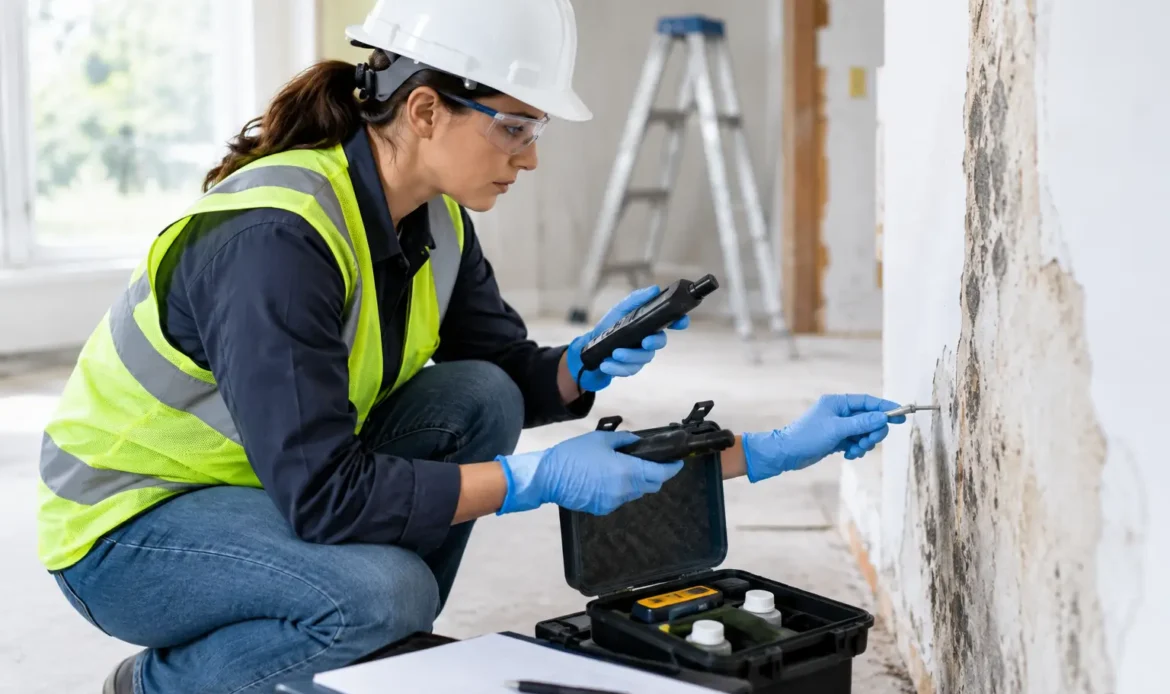
A wall opening, flooring removal, or bathroom demolition can release hazards that have been contained for decades. A pre renovation hazard assessment gives you answers before dust spreads through the home, workers begin disturbing materials, or a small repair becomes a costly stop-work situation. For Southern California property owners, this is a practical first step for protecting families, contractors, tenants, and the investment itself.
The purpose is not to assume every older property is dangerous. It is to identify the materials and conditions that need a different plan before renovation starts. With targeted inspection and laboratory testing, you can decide whether materials can remain in place, require controlled removal, or need repair before the project moves forward.
What a Pre Renovation Hazard Assessment Looks For
A proper assessment is based on the age, history, condition, and scope of the property. Removing a single vanity creates different concerns than gutting a 1950s kitchen, replacing a commercial ceiling system, or repairing a home after a plumbing leak.
The most common concerns include:
- Asbestos-containing materials in flooring, ceiling texture, insulation, duct wrap, roofing, adhesives, drywall systems, and other building products.
- Lead-based paint and lead dust, especially in homes built before 1978.
- Mold growth and hidden moisture behind walls, under flooring, in crawlspaces, or around plumbing and HVAC components.
- Indoor air concerns, including volatile organic compounds (VOCs), allergens, and particles that may affect occupants during or after work.
- Water damage, microbial growth, and structural conditions that can worsen once materials are opened or removed.
Not every project needs every test. A focused assessment should match the work planned and the conditions found onsite. If a contractor will not disturb a textured ceiling, for example, sampling may not be necessary for that material. If demolition will affect it, testing before disturbance is a safer and more informed choice.
Why Testing Before Demolition Matters
Visual inspection alone cannot confirm many environmental hazards. Asbestos fibers cannot be identified by appearance, and lead paint is not always limited to obvious peeling surfaces. Mold may be hidden behind an intact wall or beneath flooring, while moisture can remain active long after a visible water stain has dried.
Testing before renovation protects more than the people doing the work. Demolition dust can move through return vents, settle on furniture, enter neighboring units, and affect children, older adults, and people with respiratory sensitivities. In rental or commercial settings, it can also create documentation and liability concerns.
There is also a budget reason to test early. Discovering suspect material after demolition begins may require the project to stop while additional sampling, containment, cleaning, and specialized removal are arranged. An assessment before work allows the contractor to price the job accurately, schedule the right trades, and plan containment where it is needed.
Asbestos: Test Before You Disturb Suspect Materials
Asbestos was used in many construction products because it resisted heat and wear. It is more common in older buildings, but age alone does not confirm its presence or absence. Materials that appear similar can have very different compositions, which is why laboratory analysis is the reliable way to determine whether asbestos is present.
Risk depends heavily on condition and disturbance. Intact material that will remain undisturbed may present a different concern than brittle insulation, damaged ceiling texture, or flooring that will be scraped, drilled, sanded, or removed. Renovation changes that equation because cutting, breaking, grinding, and demolition can release fibers into the air.
A pre-renovation inspection can identify suspect materials within the planned work area and collect representative samples for certified laboratory analysis. Results help determine whether specialized handling, containment, or abatement should be part of the renovation plan. Do not rely on a contractor’s visual guess or an online photo comparison when worker and occupant exposure is at stake.
Lead Paint: A Critical Concern in Pre-1978 Homes
Homes built before 1978 may contain lead-based paint on interior walls, windows, doors, trim, cabinets, railings, and exterior surfaces. The danger often comes from renovation activity rather than normal occupancy. Sanding, scraping, drilling, demolition, and heat-gun work can create lead-contaminated dust that is easy to inhale or carry into other rooms.
Young children are especially vulnerable to lead exposure, but lead dust is a concern for everyone in the household and for workers. Testing provides a clear record of where lead is present so the project team can use the appropriate work practices, containment, cleanup, and verification methods.
If you are renovating a pre-1978 rental property, home, childcare setting, or occupied commercial space, lead testing should be addressed early. Requirements can depend on the project scope and property use, so owners and contractors should confirm the rules that apply before work begins.
Mold and Moisture: Find the Source, Not Just the Stain
Renovation frequently exposes mold that was hidden behind cabinets, drywall, baseboards, shower walls, or flooring. A musty odor, warped material, recurring paint bubbles, staining, or a history of leaks are all reasons to investigate before demolition.
The key issue is moisture. Mold can return if the water source remains active, even after damaged materials are removed. A thorough inspection should look for plumbing leaks, roof or window intrusion, HVAC condensation, poor drainage, and humidity conditions that support growth. Moisture detection is especially valuable because it can reveal concerns without immediately opening walls.
Testing may include air or surface sampling when it will help answer a specific question, such as whether an affected area differs from normal indoor conditions or whether a cleanup has achieved acceptable results. The best approach depends on the visible conditions, the size of the affected area, and whether occupants have reported symptoms or odor concerns.
For projects following water damage, clearance testing can provide added confidence after remediation and before reconstruction. That documentation is useful for homeowners, landlords, insurers, and property managers who need evidence that the work area is ready for the next phase.
Indoor Air, VOCs, and Occupant-Specific Concerns
A renovation assessment may also address existing indoor air concerns. VOCs can come from paints, coatings, adhesives, flooring, cabinetry, cleaning products, and stored chemicals. Some products produce stronger odors and emissions than others, particularly in tightly sealed spaces with limited ventilation.
Testing is most useful when there is a defined concern, such as persistent chemical odors, unexplained irritation, a recent fire or water event, or occupants with heightened sensitivities. Results can guide decisions about material selection, ventilation, source removal, and timing of occupancy after construction.
Allergen testing may also be appropriate where dust, pets, pests, or HVAC contamination are part of the property history. A health-focused plan should consider who uses the space, not only what materials will be removed.
How to Prepare for the Assessment
Start by defining the renovation scope as clearly as possible. Identify which rooms, surfaces, and systems will be disturbed, including flooring, ceilings, walls, plumbing, HVAC, windows, and exterior materials. Share any past leak history, prior repairs, visible damage, odors, and previous inspection reports.
It also helps to tell the inspector whether the property is occupied and whether children, older adults, tenants, employees, or medically sensitive individuals use the space. These details influence how urgently certain findings should be addressed and how the renovation should be staged.
Avoid beginning demolition just to “see what is behind the wall.” Once materials are disturbed, dust can spread and the original condition becomes harder to document. Testing first gives you cleaner information and more control over the next step.
Choosing the Right Inspection Partner
Look for an environmental inspection company that can evaluate multiple hazard types rather than treating every property concern as the same problem. You need clear sampling recommendations, certified laboratory results, plain-language reporting, and guidance that separates confirmed findings from assumptions.
Fast turnaround also matters when contractors are scheduled and a property is waiting to be repaired or listed for sale. Bio Safe Air provides non-invasive inspections, targeted sampling, moisture-source investigation, and actionable reports to help Southern California property owners plan repairs and renovations with confidence.
A pre-renovation assessment does not have to delay your project. Done early, it gives your contractor a safer path forward and gives you the confidence that the space being improved is also being protected.
